Cholesterol is a fatty, wax-like substance that circulates in your bloodstream. Your body relies on it to create healthy cells and hormones. However, when cholesterol levels become too high, they can pose serious risks to your heart health. When too much cholesterol builds up in the arteries, it can cause them to narrow, slowing down blood circulation. This can significantly raise the risk of heart attacks or strokes.
The positive side is that high cholesterol can be controlled. By adopting healthy habits and staying consistent with your care, you can lower your cholesterol and promote better heart health.
In this guide, we’ll walk through practical tips for managing cholesterol and explore affordable testing options that help you keep track of your health.
Two kinds of lipoproteins are responsible for transporting cholesterol through your bloodstream.
What Is Cholesterol?
Two kinds of lipoproteins are responsible for transporting cholesterol through your bloodstream.
Why Is High Cholesterol Harmful?
When there’s too much LDL in your blood, it can stick to the walls of your arteries, leading to plaque buildup. Over time, this narrows the arteries, restricting blood flow.
Several factors can increase your risk of high cholesterol:
Routine testing and lifestyle changes are key to keeping it under control.

Choose Heart-Healthy Foods
Diet plays a major role in managing cholesterol. To get started:
Best Foods to Lower Cholesterol
Some of the best foods for cholesterol health include:
Foods to Avoid with High Cholesterol
To reduce LDL levels, avoid:
Making small changes in your diet can bring big results in your overall heart health.

How Exercise Helps
Physical activity boosts your HDL (good) cholesterol. It also helps manage weight, which is essential for managing high cholesterol. Try to get in about 30 minutes of physical activity on most days of the week, ideally five times.
Simple Activities That Help
Other Lifestyle Changes
A well-rounded lifestyle plan is as important as your diet in keeping cholesterol in check.

Why Testing Is Crucial
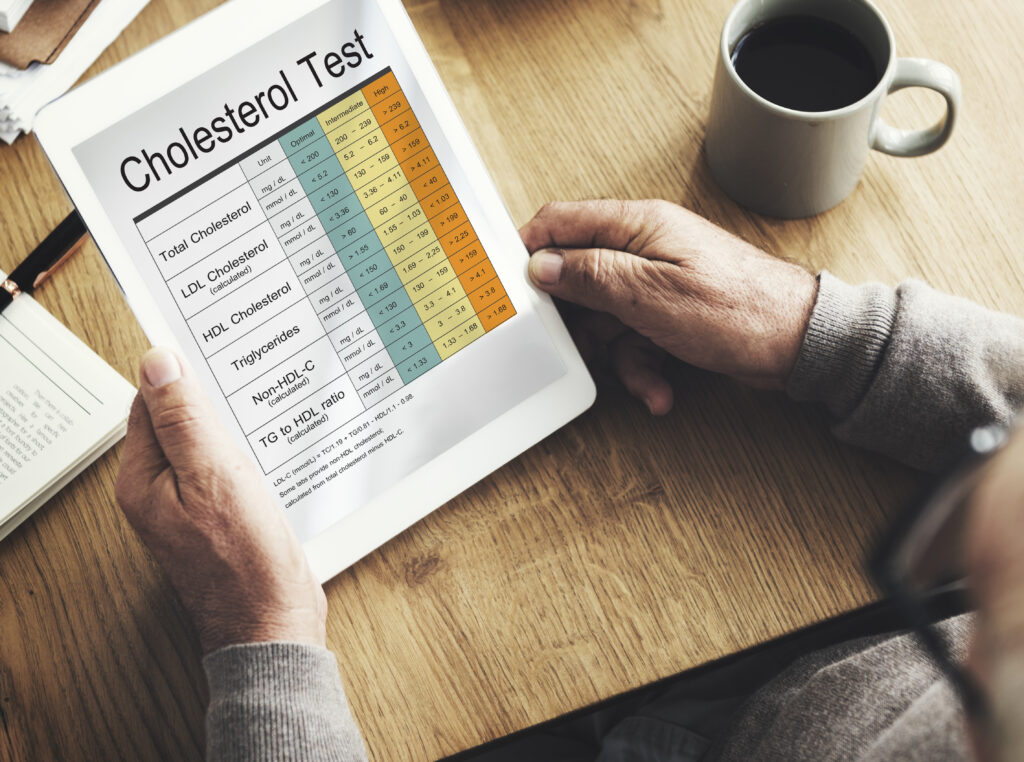
Cholesterol doesn’t usually have symptoms. You might feel fine but still have high cholesterol. That’s why regular testing is important.
Affordable Testing Options
You don’t need expensive labs to check your levels. Many options are available:
You can manage your health without breaking the bank.
When to Get Tested
You may need to get tested more often if you’re living with diabetes or heart conditions.
Keeping tabs on your cholesterol makes it easier to manage cholesterol effectively.
When Lifestyle Isn’t Enough
If diet and exercise don’t lower your cholesterol, medication may help. Common options include:
Always follow your doctor’s guidance and discuss any side effects.
Supplements for Managing Cholesterol
Some people use supplements to support heart health:
Supplements should not replace medication or a healthy lifestyle, but they can help when used correctly.
Myth 1: Thin People Don’t Get High Cholesterol
Even if you’re thin, your diet and genetics still affect cholesterol levels.
Myth 2: All Cholesterol Is Bad
HDL is beneficial and helps remove LDL from your arteries.
Myth 3: You’ll Feel Symptoms
High cholesterol usually has no noticeable symptoms, so the only way to detect it is through a blood test.
Debunking myths makes it easier to take control of your health.
How to Stay on Track
Celebrate Small Wins
Every healthy meal, workout, and test result is progress. Recognize your efforts—it helps you stay consistent with managing cholesterol.
Set SMART Goals
Make your goals:
Clear goals help you stay focused and committed to heart health.
Q1: How frequently should I have my cholesterol levels tested?
A: It’s recommended that adults check their cholesterol every 4 to 6 years, though those with higher risk factors may need more frequent monitoring. Cost-effective testing can be done at local pharmacies or with at-home test kits.
Q2: Which foods should be limited if I have high cholesterol?
A: It’s best to steer clear of foods high in saturated and trans fats, such as processed meats, full-fat dairy, fried snacks, and baked goods made with hydrogenated oils.
Q3: Can high cholesterol be reversed?
A: Yes, with diet, exercise, and possibly medication, you can lower LDL and raise HDL levels.
Q4: What is the best exercise for lowering cholesterol?
A: Aerobic activities like brisk walking, swimming, and cycling are excellent for cholesterol health.
Q5: Do supplements help in managing high cholesterol?
A: Some, like omega-3s and plant sterols, may help. Talk to your doctor before using them.
Taking control of high cholesterol can be simple and budget-friendly—it doesn’t need to feel complicated or costly. With the right combination of diet, exercise, affordable testing, and smart lifestyle choices, you can control your cholesterol and reduce your risk of heart disease. Start small. Replace fried foods with heart-healthy meals, go for daily walks, and don’t skip your tests. The journey to better health begins with one simple step. Remember, when you actively manage cholesterol, you protect more than just your heart—you safeguard your future.