
Urinary tests, especially urinalysis, are among the most common individual tools used in healthcare. These tests can give a wealth of information about your overall health, despite being straightforward and non-invasive. From detecting infections to covering habitual conditions, urinalysis plays a vital part in preventative care and early opinion.
In this companion, we’ll break down the different types of urinary tests, what they reveal, and why regular testing matters more than you might suppose.
A urinary test is when your urine is analyzed in a laboratory to look for signs of illness or complaint. It’s frequently a part of routine health checks, tests before surgery, or specific individual tests.
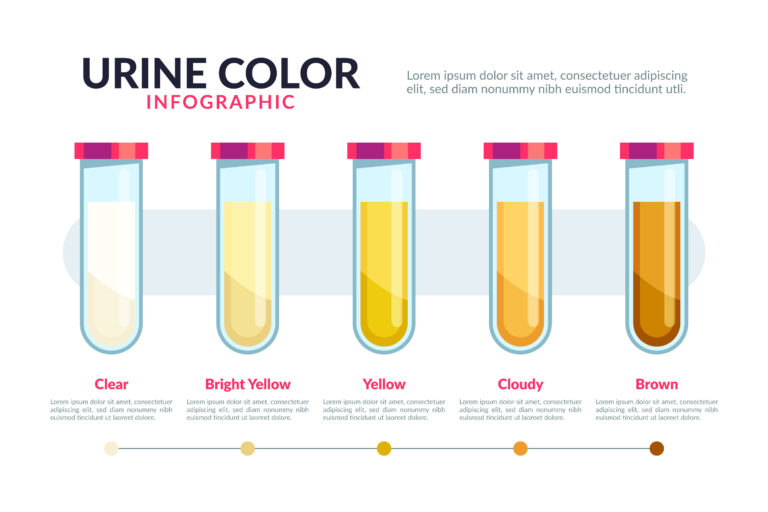
Urinalysis is a multi-part test that checks the physical, chemical, and microscopic properties of your urine. It helps find
Numerous health issues start with subtle signs. Frequently, these signs show up in the urine before you indeed feel symptoms. That’s why urinalysis is so important; it helps decry problems beforehand, allowing for brisker, more effective treatment.
Whether you’re feeling unwell or just checking in on your health.
There are three parts to a typical urinalysis:
The color, clarity, and appearance of your urine are examined by the laboratory.
A plastic stick with chemical pads is dipped into the urine. These pads change color based on the presence of:
The urine is examined for the following under a microscope:
Although a urinalysis is comprehensive, the following conditions necessitate more specific tests:
Cultures of urine are used to determine which antibiotics are most effective and the specific bacteria that cause a UTI.
Measures the volume and contents of urine over 24 hours. It’s helpful for diagnosing kidney disorders, hormonal imbalances, and calcium or protein loss.
identifies the hormone hCG for pregnancy confirmation.
A drug test in the urine is used to determine whether drugs or their metabolites are present in the body.
Doctors often order urinalysis for several reasons:
Transitioning to routine testing can offer early insights, especially when combined with blood work and imaging tests.
Generally, no special preparation is needed. However, you may be advised to:
Tip: Use the “clean-catch” method to clean the genital area and collect midstream urine to avoid contamination.
Test results may be normal or show abnormalities that require follow-up. Keep in mind that a single abnormal result does not always indicate illness. The results may sometimes be influenced by false positives or external factors like dehydration or diet.
For instance:
If anything concerning is found, more tests will likely be ordered to confirm the diagnosis.
No. The procedure is completely painless and not invasive.
2. Can I consume anything before the test?
Yes, but some tests may require dietary restrictions. Always adhere to your service provider’s instructions.
3. How quickly do you see results?
The results of a basic urinalysis can be obtained within a few hours, whereas those of specialized tests or cultures may take several days.
4. What if my test shows bacteria?
That usually indicates a UTI. You’ll likely need a urine culture to determine the specific bacteria and the right antibiotic.
5. Is it covered by insurance or DPC plans?
Yes, urinalysis is often covered by both traditional insurance and Direct Primary Care (DPC) memberships, especially for preventive screenings or when symptoms are present.
There are certain symptoms and test results that should not be ignored:
Though easy to overlook, urinary tests offer a powerful glimpse into your internal health. Urine analysis continues to be one of the most useful tools in preventive medicine due to the fact that urine provides a real-time reflection of your body’s activity. This test is a common part of both wellness visits and diagnostic care due to its simplicity, low cost, and quick turnaround. Whether you’re managing a chronic condition or just staying proactive, urinary testing can guide your next health decisions.