
When it comes to confirming a pregnancy, emotions can range from excitement to anxiety. Having quick, private, and accurate pregnancy testing is essential in any circumstance. Whether you’re hoping for a positive result or fearing one, knowing where you stand quickly and confidently can make all the difference.
We will explain how pregnancy tests work, where to find private testing options, and how to confidently interpret your results in this guide.
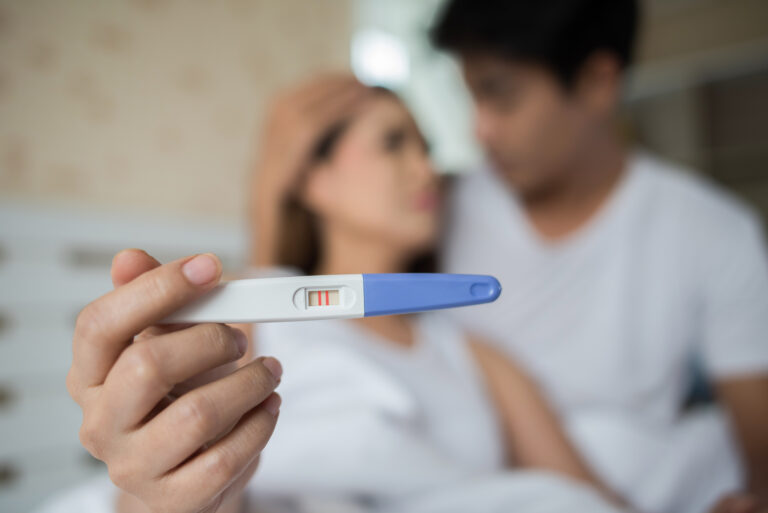
Pregnancy tests are designed to detect human chorionic gonadotropin (hCG) , a hormone produced in the body shortly after a fertilized egg attaches to the uterine lining. The hormone can usually be detected in urine or blood around 10 to 14 days after conception.
The majority of home pregnancy tests are simple to use and based on urine. A few drops of urine on a test stick can provide results in minutes. However, many clinics offer lab-based blood tests that precisely measure hCG levels for greater accuracy.
Understanding the types of tests available can help you make a more informed choice.
There are two varieties:
Blood tests are often used when more detailed information is required, such as monitoring the progress of an early pregnancy or detecting potential complications.
Timing is crucial. For the most accurate results:
When the outcome has the potential to alter your life, accuracy is frequently a primary concern.
Nevertheless, errors can happen. Most often, inaccurate results are caused by
To reduce error, it is always best to follow up with a healthcare provider if you’re unsure.
Privacy is critical when it comes to reproductive health. Fortunately, pregnancy testing can be done discreetly and anonymously in many settings.
By law, many clinics protect your medical data under HIPAA or local confidentiality policies.
You can obtain a test at any of the following locations:
Even low-cost or free tests are offered by some clinics, especially to those without insurance.
Finding out you’re pregnant, whether expected or not, can be emotionally overwhelming.
There is help available. You’re never alone, and options exist no matter the result.
If your test comes back positive, several steps should follow:
Early care can make a significant difference in the health of both the mother and baby.
A negative test result doesn’t always mean you’re not pregnant. If your period continues to be absent:
Menstruation can sometimes be postponed due to stress, changes in weight, or other health issues.
While it’s possible to test as early as 7–10 days after ovulation, waiting until your missed period is recommended for more accurate results.
2. Can birth control affect test results?
No. The majority of birth control methods do not affect the accuracy of tests or the levels of hCG.
3. Is a false positive a possibility?
It can occur due to certain medications or medical conditions like ovarian cysts, although it is uncommon.
4. What if I don’t want anyone else to know that I’m taking a test?
Home kits or confidential clinics are best. Some even accept walk-ins anonymously.
5. Do all clinics charge for pregnancy tests?
No. Free testing is offered by a lot of nonprofit organizations and community health centers, especially for kids and people with low incomes.
Speed and privacy can help you regain control in times of uncertainty. You deserve:
Your peace of mind is worth it. No matter your situation, quick access to reliable pregnancy testing helps you make informed, empowered decisions.
Pregnancy testing is more than just peeing on a stick. It’s a deeply personal experience. Choosing a fast, private, and accurate method allows you to move forward with clarity and confidence whatever path you choose next.
If you’re unsure where to begin, reach out to a healthcare provider or local clinic, or visit a pharmacy. The sooner you know, the better prepared you’ll be.