
When it comes to women’s health, staying on top of your annual gynaecological exam is one of the best things you can do. These routine visits not only focus on reproductive health but also help identify early signs of conditions like cervical cancer and sexually transmitted infections. But what really happens during these visits, and why are they so important?
In this post, we’ll explain everything you need to know — from what a gyno exam involves, to why it’s essential for your overall sexual health.

The annual gynaecological exam is not just a quick check-up. It’s a key step in protecting your health. It usually includes a pelvic exam, breast check, and often a pap smear.
These exams help detect problems early, even before symptoms show. That way, your provider can offer treatment sooner, improving your chances of staying healthy.
You may wonder, what does a gynaecologist do exactly? A gynaecologist specializes in women’s reproductive health. They deal with issues related to menstruation, fertility, hormones, infections, and menopause.
They can also provide advice about birth control, safe sex practices, and managing chronic conditions like PCOS or endometriosis. In short, they’re here to support every stage of your reproductive journey.
Let’s break down what to expect during a gyno exam. Most visits follow a general process:
The gynecological exams are performed in a respectful, professional way to make you feel safe and comfortable.
Pap smears are vital. They screen for cervical cancer and are typically done every three years, depending on your age and health history.
During the test, your doctor gently swabs the cervix to collect cells. The test is quick and only mildly uncomfortable. But the results can literally save lives.
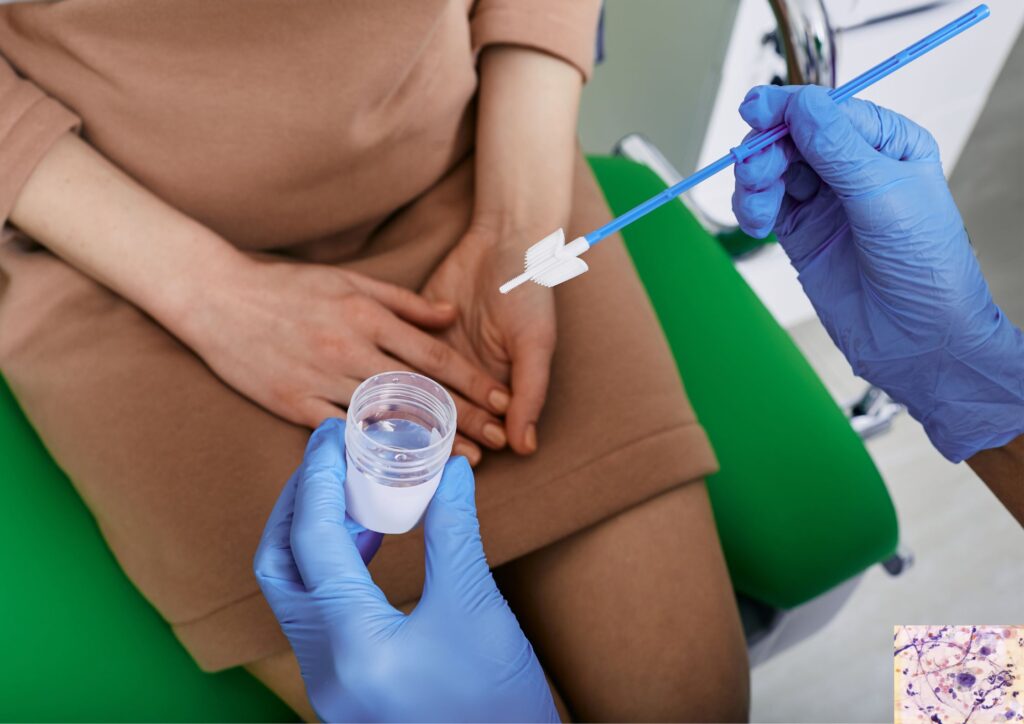
Preparing for your regular gynaecological exam can make the process smoother. Here are a few tips:
These steps help your doctor perform a more accurate exam and offer better care.
You should have your first gynaecological exam around age 21 or when you become sexually active — whichever comes first. After that, annual gynaecological exams are usually recommended unless your doctor says otherwise.
Visit sooner if you notice symptoms like:
Early attention to these signs is part of smart sexual health care.
Many people ask how often pap smears should be done. For most women aged 21–65, every three years is standard. If you’re over 30 and combine your Pap with HPV testing, you may only need one every five years.
However, women with a history of abnormal results or other risk factors may need them more often.
Even if you’re not sexually active, you might still need a regular gynaecological exam. Teens may visit a gynaecologist for period problems or education. Pregnant women need more frequent checks, while menopausal women still need exams to monitor hormone-related changes and cancer risks.
Each stage of life brings different concerns, and your gynaecologist can help you through them all.

After your annual gynaecological exam, your doctor will talk you through their findings. If you had tests like a Pap smear, results may take a few days. If everything is normal, you’ll just schedule next year’s visit.
If any issues are found, your doctor will recommend treatment or follow-up tests.
Gynaecologists don’t just focus on the reproductive system. They can also detect signs of other health conditions, such as diabetes, thyroid issues, or high blood pressure.
That’s why the annual gynaecological exam is a key part of your overall healthcare plan.
A lot of people confuse the terms sex exam and gyno exam. While the two are related, they are not the same.
A gyno exam covers more ground, including reproductive and breast health. A sex exam, often part of the gyno visit, focuses on your sexual well-being. This includes screening for STIs and addressing pain or other issues related to intimacy.
Your gynaecologist is not just there for your regular gynaecological exam. They’re your go-to expert for any concerns tied to sex, intimacy, or reproductive wellness. They can provide guidance on:
Even issues that seem “too personal” are worth discussing. For example, if you experience anxiety during a sex exam or intimacy, your gynaecologist can suggest solutions or refer you to a specialist.
One of the most important steps in improving your sexual health is learning to communicate openly with your healthcare provider. It might feel awkward at first but remember — gynaecologists handle these topics every day. They won’t judge you.
When you’re open about your sexual activity, number of partners, or concerns about specific symptoms, your doctor can offer better, more personalized care. Honesty leads to early detection, better prevention, and safer sex overall.

Your emotional and mental health plays a huge role in how you experience sex. Stress, anxiety, trauma, or relationship issues can affect everything from libido to physical comfort. If you’ve ever felt “not in the mood” or experienced pain for no clear reason, mental health could be a factor.
Gynaecologists often work alongside counsellors or therapists to address the emotional aspects of sexual health. Don’t hesitate to ask for help — there’s no shame in seeking support.
Sexual health isn’t just for young people or those who are sexually active. It matters at every age.
Your needs will change over time, but prioritizing sexual health should always be part of your self-care routine.
Remember, these visits are for you. The more open you are, the better care you’ll receive.
Feeling nervous about your gynaecological exams is normal. Some worry about discomfort or embarrassment. Others fear bad news. But avoiding these visits can lead to bigger problems later.
Gynaecologists are trained to handle sensitive issues with compassion. If you’re anxious, let them know — they can adjust their approach to help you feel more at ease.

Yes. Even without symptoms, yearly visits help catch issues early, when they’re easiest to treat.
Most exams take about 20–30 minutes, including time to talk with your doctor.
Some parts may be a little uncomfortable, but they shouldn’t be painful. Let your doctor know if you feel pain.
No need. Your doctor doesn’t expect any grooming. Just come clean and comfortable.
It’s usually fine, though it might interfere with tests like a Pap smear. Call your provider if you’re unsure.
Absolutely. You can bring a friend, partner, or family member for support if you like.
Taking care of your sexual health includes getting regular gynaecological exams, asking questions, and speaking openly with your doctor. Your annual gynaecological exam is more than just a medical routine — it’s a step toward long-term wellness.
If you haven’t booked your exam this year, now’s the time. Your health is worth it.
Book your visit at: directprimarycareflorida.com