
Staying healthy isn’t just about eating well and staying active. One of the smartest things you can do for your health is to schedule your wellness exam every year. These routine visits can help you catch issues early, stay on top of your goals, and build a strong relationship with your doctor. But what makes these exams so important at every age? Let’s explore.

A wellness exam is a routine visit to your healthcare provider focused on preventive care. It’s different from a visit for an illness or a specific problem. During a wellness check, your doctor reviews your medical history, talks about any changes in your health, and checks key health indicators like blood pressure, weight, and cholesterol.
These visits are not just for the sick. In fact, they’re even more valuable when you feel fine. Why? Because they help you stay that way.
Many people use the terms annual physical exam and wellness exam interchangeably. While both are routine checkups, they serve different purposes.
An annual physical exam is more hands-on. It includes a physical evaluation where your doctor may examine your heart, lungs, abdomen, and more. On the other hand, a wellness exam may focus more on discussion and prevention.
For example, you might discuss lifestyle choices, mental health, and family history. Both are important and can often happen during the same visit.
Whether you’re 18 or 80, a regular annual wellness exam can benefit your long-term health. Here’s how it matters for each stage of life:
You might feel young and invincible, but a physical check-up can help you catch silent issues. Conditions like high blood pressure or cholesterol often show no symptoms. Early detection leads to better outcomes.
This is the age when your risk for chronic diseases increases. Health screening becomes vital. Regular exams can help identify signs of diabetes, heart disease, or certain cancers early on.
As you age, your health needs more attention. A wellness exam helps your doctor track changes and adjust medications or treatments accordingly. It’s also key in preventing falls, managing mobility, and staying independent longer.

There are several reasons to keep up with your annual check-up, even if you feel perfectly healthy:
When you see your doctor regularly, they become familiar with your normal health patterns. That makes it easier to notice when something’s off.
Wondering what to expect at your next wellness exam? Here’s what usually happens:
Your doctor might also ask about family history or stress levels. It’s your time to be open and ask questions.
Not all health screening tests are needed at every age. Here’s a basic guide:
Your provider will recommend the right tests based on your gender, family history, and risk factors.
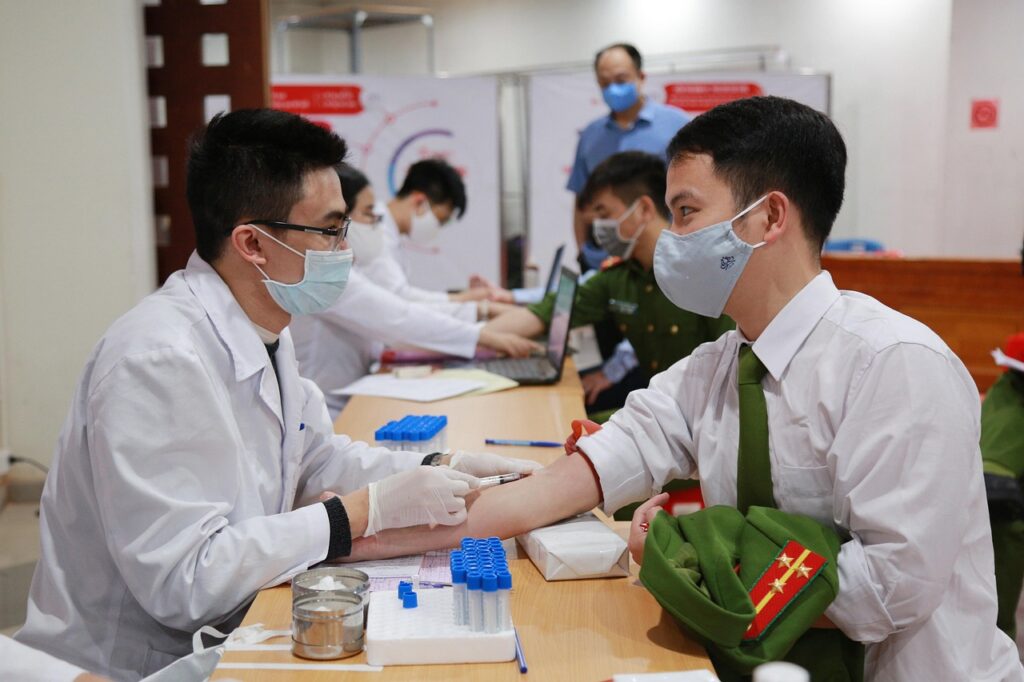
You might wonder, why are physical exams important if you feel fine. The answer is simple: prevention. Many health issues build slowly and show no signs until they’re serious. Regular exams can stop problems before they start.
Plus, these visits build a strong bond with your provider. That trust makes it easier to talk openly about concerns in the future.
Let’s clear up a few misconceptions about wellness exams:
Truth: One hour a year can prevent years of illness.
To make the most of your annual check-up, come prepared:
This helps your doctor see the full picture and offer the best advice.
Kids need physical check-ups too. These exams track growth, development, and behavior. They also ensure vaccinations are current. For teens, it’s a chance to talk about puberty, stress, and screen time in a safe space.
Can you do a wellness exam online? To some extent, yes. Telehealth visits can cover lifestyle questions, mental health checks, and medication reviews. But some screenings and physical checks must be done in person.
In the end, a wellness exam is a small commitment with a big payoff. It’s your opportunity to ask questions, catch problems early, and stay healthy for the long run. Think of it as an annual reset for your health journey.
1.How is a wellness exam different from a physical check up?
A wellness exam is centred around prevention—it involves talking with your doctor about your health history, lifestyle, and screening needs. In contrast, a physical check-up includes a detailed, hands-on physical assessment, such as checking your heart, lungs, and reflexes.
In general, it’s recommended to have a wellness exam annually. However, if you’re managing ongoing health issues or chronic conditions, your doctor may suggest more regular visits to monitor your progress.
Not exactly. An annual wellness exam centers on health planning and screenings. A yearly physical often includes a full body exam and lab tests.
Yes! Why are physical exams important? Because they help prevent problems before symptoms show.

Taking time for a yearly wellness exam is one of the best gifts you can give yourself. No matter your age, this check-in with your doctor plays a huge role in protecting your health. It’s not just about avoiding illness—it’s about living your best, healthiest life.
So, Go ahead and schedule that yearly checkup—it deserves a spot on your calendar.