
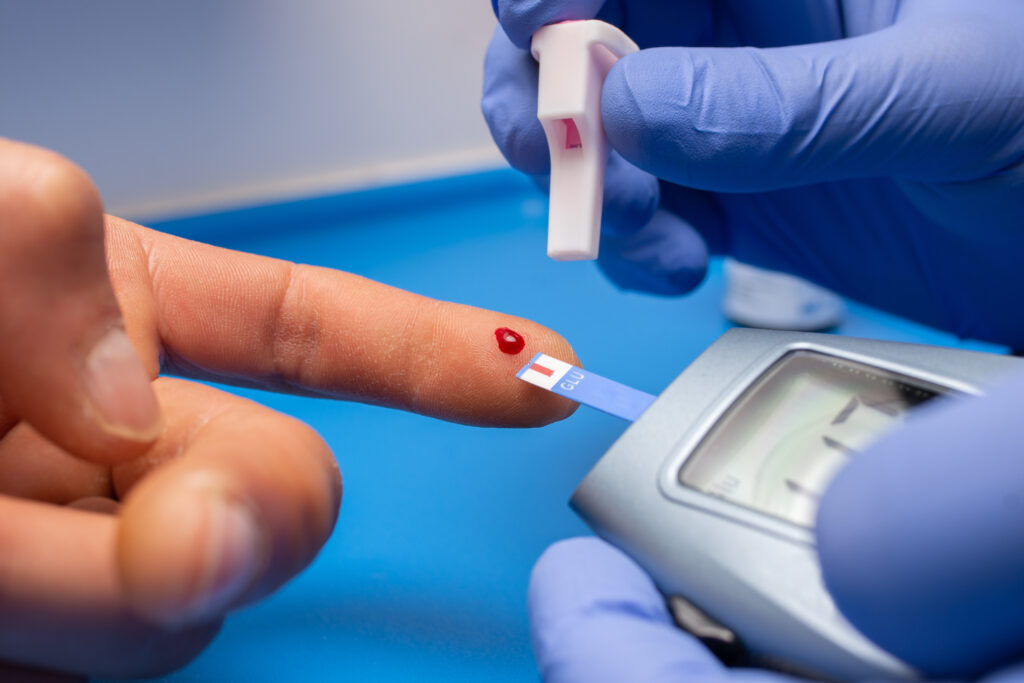
Managing cholesterol is crucial for heart health—but did you know that it’s also deeply connected to your blood sugar levels. A large number of individuals managing diabetes also deal with cholesterol-related problems. These conditions often overlap, making it essential to monitor both. One of the most effective tools in this journey is a blood glucose monitoring device, which helps track sugar levels and offers insights into your overall health. This blog explores easy-to-follow tips for cholesterol control and cost-effective testing methods—while highlighting the importance of managing blood sugar along the way.
The Link Between Diabetes and Cholesterol
People with diabetes are more likely to experience imbalanced cholesterol levels, increasing their risk for heart-related issues. High blood sugar can lead to increased LDL (bad cholesterol) and decreased HDL (good cholesterol), which raises the risk of heart disease.
Why Monitoring Both Matters
Monitoring your cholesterol and blood sugar levels regularly can lower the chances of serious health issues such as strokes and heart attacks. Using a blood glucose monitoring device alongside cholesterol testing gives a clearer picture of your health.
What Is a Blood Glucose Monitoring Device?
A blood glucose monitor checks how much sugar is present in your bloodstream. It’s especially useful for those managing diabetes and can help assess how diet and lifestyle affect cholesterol as well.
Eat More Fiber-Rich Foods
Soluble fibre helps regulate blood sugar and lowers LDL cholesterol, often referred to as the “bad” type.
Great sources include:
Healthy Fats Make a Difference
Swap saturated fats for healthier alternatives:
Limit Sugar and Refined Carbs
Too many refined carbs can spike blood sugar. If you’re wondering how to lower blood sugar immediately, cutting out sugary drinks and processed snacks is a strong first step.
Move More, Sit Less
Staying physically active can effectively manage blood sugar levels while also reducing cholesterol.
Aim for:
Prioritize Sleep and Stress Management
Too little sleep and ongoing stress can lead to increased levels of both cholesterol and blood sugar.
Incorporate calming routines and maintain consistent sleep habits for better overall health.
Smoking and Alcohol: What to Know
Smoking lowers good cholesterol, while alcohol can disrupt blood sugar levels. Cutting back—or quitting—benefits both areas of your health.

Affordable Cholesterol Testing Options
Not all cholesterol tests are expensive. You can find budget-friendly options at:
Blood Glucose Monitoring: Tools and Devices
Using a blood glucose monitoring system helps you stay on top of your sugar levels, especially if you’re managing diabetes. These devices come in a range of prices and are easy to use.
What Is a Glucometer?
A glucometer is a compact device that quickly measures blood glucose levels, making it essential for individuals managing diabetes. Understanding what is glucometer and how to use one is key to staying healthy.
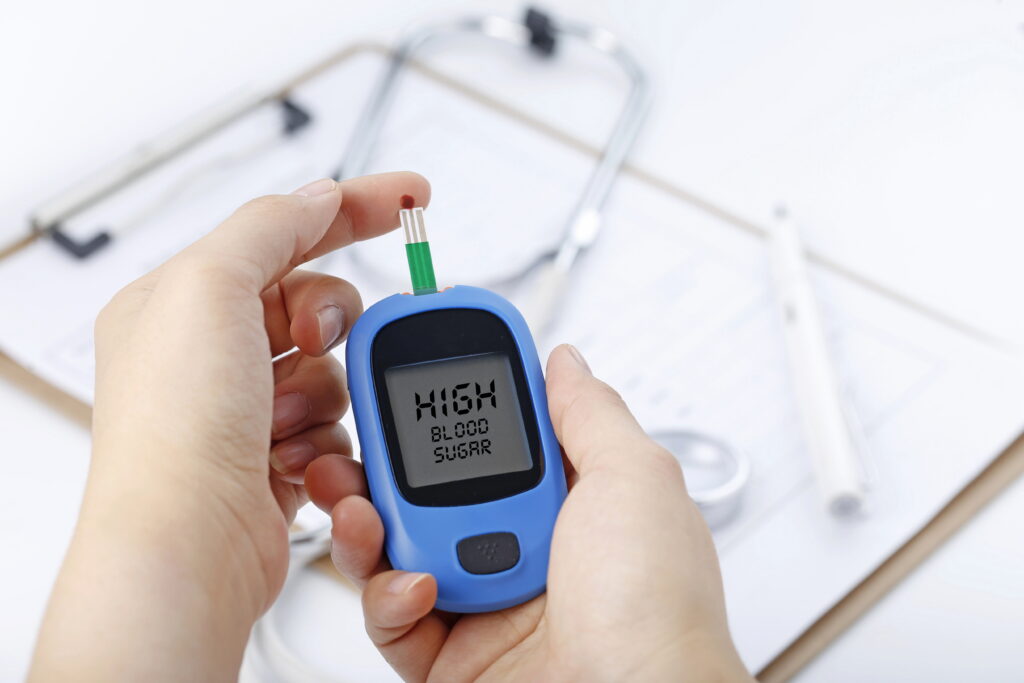
Supplements That Support Cholesterol Management
Some natural supplements may help:
When Medication Is Necessary
When lifestyle changes alone don’t do the trick, your healthcare provider might suggest medical treatment:
Use these alongside your blood glucose monitoring system to track your progress accurately.
Glucometer Parts and Function
Understanding glucometer parts and function helps you use the device correctly. Common parts include:
Tips for Accurate Readings
Precise measurements allow you to spot patterns and make smart choices regarding your nutrition and treatment plan.
Combine Cholesterol and Sugar Management
It’s easier to stick with health goals when you combine efforts:
Stay Consistent
Consistency is the key to improvement. Whether you’re adjusting your diet or using a blood glucose monitoring system, make it part of your routine.
Myth: Only Overweight People Have High Cholesterol or Diabetes
Fact: People of any weight can have issues with cholesterol and sugar levels.
Myth: You’ll Know When It’s High
Fact: Both conditions often have no symptoms. That’s why regular testing is so important.
Myth: Cutting Fat Is Enough
Fact: You need to focus on good fats and reduce sugar and trans fats for real improvement.
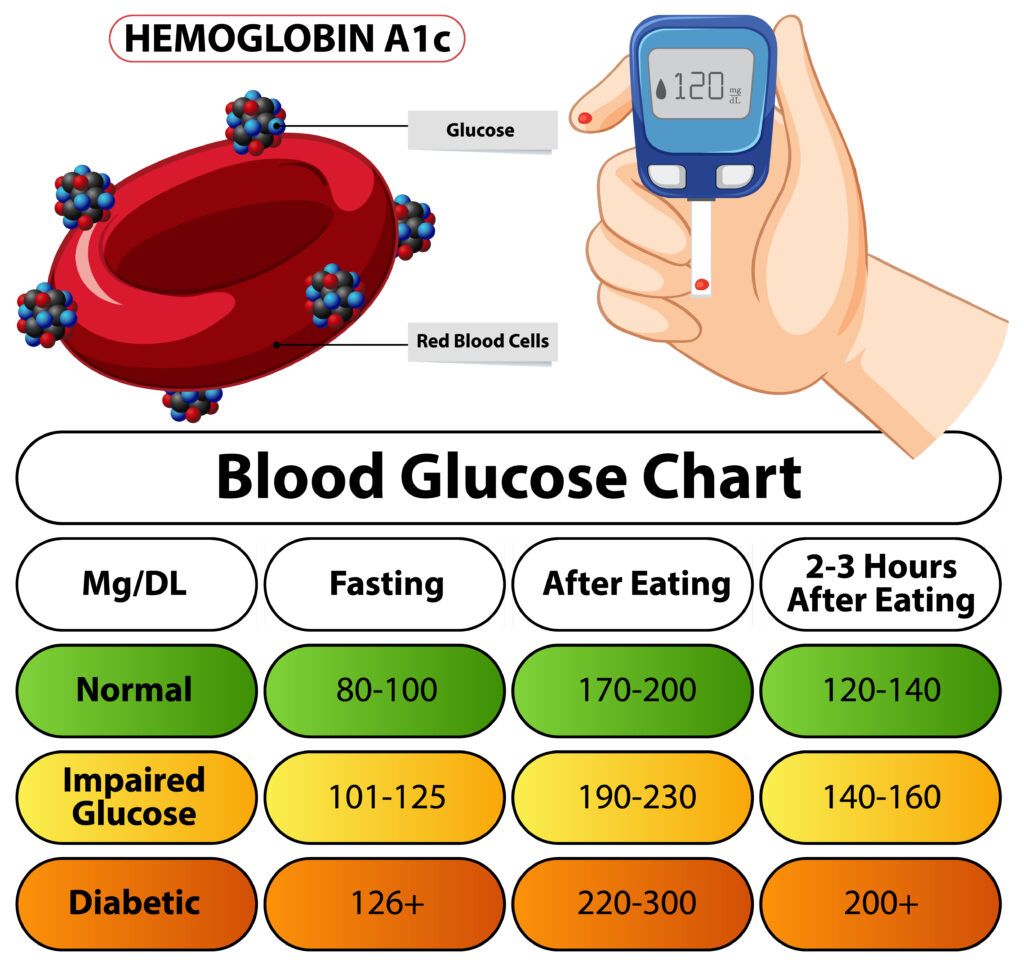
At Direct Primary Care Florida, managing blood sugar is simpler, faster, and more affordable. Members get in-office glucose tests at no extra cost, with instant results during routine visits—no separate lab appointments needed. This means early detection of diabetes or prediabetes and quick action when needed.
DPC also offers unlimited visits and direct physician access, making it easy to monitor your levels regularly. You’ll receive personalized guidance on nutrition, exercise, and lifestyle, all without insurance delays or surprise fees. Its proactive care designed to keep your blood sugar—and your health—in check.
Q1: What is a blood glucose monitoring device used for?
A: It’s a tool used to measure your blood sugar levels, especially useful for people managing diabetes or monitoring blood sugar trends.
Q2: What are the key parts of a glucometer?
A: A glucometer includes test strips, a lancet for drawing blood, and a display that shows your glucose reading.
Q3: How can I lower blood sugar immediately?
A: Engage in light exercise like walking, drink water, and avoid consuming carbs. These methods are effective for those wondering how to lower blood sugar immediately in a safe way.
Q4: Is cholesterol management expensive?
A: Not necessarily. There are many affordable testing and treatment options, including community health programs and at-home kits.
Q5: Can I manage both cholesterol and blood sugar at the same time?
A: Yes! A healthy diet, regular exercise, and consistent use of your blood glucose monitoring system can help control both effectively.
Keeping your cholesterol and blood sugar levels in check can be simple and affordable—it doesn’t have to feel stressful or costly. With smart lifestyle choices, and affordable testing options, you can keep both in check. Small daily actions—like checking your blood sugar, choosing the right foods, and staying active—add up to long-term benefits. Understanding why testing matters gives you the power to take control of your health. Start today Your heart—and the healthier you in the future—will be grateful for the steps you take today.