Smoking is a delicate habit to break, but it’s also one of the most important decisions you can make for your health. Whether you’re trying to quit for the first time or have tried several times ahead, there are a variety of tools and support systems available to help you succeed. In this blog, we’ll explore proven styles for smoking cessation, the support available, and how to make a quit plan that works for you.
Before diving into the tools and strategies, it’s important to understand why quitting is so pivotal. Smoking is linked to serious health pitfalls, including lung cancer, heart complaints, stroke, habitual bronchitis, and emphysema. Indeed, a secondary bank poses troubles to those around you.
Fortunately, the benefits of quitting begin almost incontinently. Within 20 twinkles, your heart rate drops. Within 12 hours, carbon monoxide situations in your blood homogenize. And in the long term, your threat of heart complaints and cancer decreases significantly.
Quitting smoking isn’t easy because nicotine is highly addictive. Many people face both physical and emotional challenges, such as
However, knowing that these challenges are common and temporary can help you stay on track. It’s not about willpower alone—having the right tools and support can dramatically increase your chances of quitting for good.
Nicotine Replacement Therapy (NRT) provides small doses of nicotine without the harmful chemicals found in cigarettes. Options include
These products help reduce withdrawal symptoms and cravings. According to the CDC, NRT can double your chances of quitting successfully when used correctly.
There are two main prescription medications approved by the FDA for smoking cessation:
Both have been shown to be effective, especially when combined with counseling or behavioral therapy. Always consult a healthcare provider to determine what’s right for you.
With the rise of digital health, several apps are now designed to help people quit smoking. Popular ones include
These apps offer progress tracking, motivational messages, quit plans, and even chat support. They are particularly useful for people who prefer self-guided help.
Free resources like the national quitline (1-800-QUIT-NOW) and text-based programs (like SmokefreeTXT) provide real-time encouragement and tips. These tools are easily accessible and available in multiple languages.
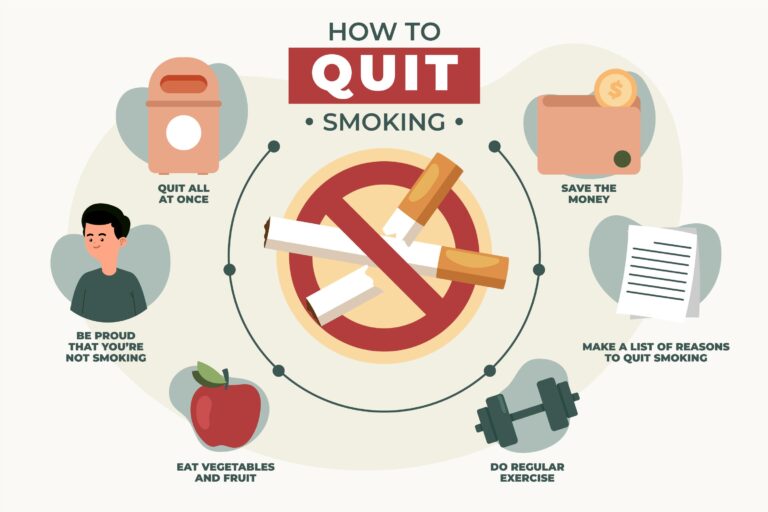
A one-size-fits-all approach doesn’t work for smoking cessation. Instead, a personalized quit plan helps address your specific needs and triggers. Here’s how to build yours.

Even after you quit, staying smoke-free requires ongoing commitment. Here are a few tips to keep you on track:
Support from loved ones can make a significant difference. Whether it’s checking in regularly, offering distractions, or simply listening, encouragement can help someone stick to their goal. If you’re supporting someone who’s quitting, be patient, positive, and avoid judgment.
Quitting smoking is one of the most powerful steps you can take to improve your health and extend your life. While the journey may be tough, you’re not alone. With the right tools, support systems, and mindset, you can break free from smoking once and for all.
Remember, each step you take brings you closer to a healthier, smoke-free future. Whether it’s your first try or your fifth, the key is to keep going. Your lungs and your loved ones will thank you.