
Sexually transmitted infections are an important global health issue, affecting tons of people annually. Awareness of sexually transmitted infections is essential for everyone. If you are energetic in sex or preparing to be , focus on your health. Unluckily, disgrace around STIs frequently prevents testing individuals.
In this blog, it is explained in detail what STI screening is and how it prevents STIs.
Many STIs are asymptomatic, especially in the early stages. You could be infected and unknowingly transmit the infection to others. Regular screening allows for early detection, which is crucial for timely treatment and preventing complications.
By getting tested regularly, you help reduce the spread of infections. This is particularly important if you have multiple partners, a new partner, or engage in unprotected sex.
Left untreated, STIs can lead to serious health complications, including infertility, pelvic inflammatory disease (PID), chronic pain, and even increased risk of HIV infection.
When more people proactively get tested, it normalizes STI screening as a regular part of healthcare just like a dental checkup or physical exam.

According to guidelines from the CDC and WHO:
Here are some of the most commonly screened STIs:
The type of test you receive often depends on your symptoms, sexual history, and the type of sexual activity you’ve had.
Many people avoid STI testing because they fear discomfort or judgment. The truth is, STI screening is quick, confidential, and often painless.
Here’s what to expect:
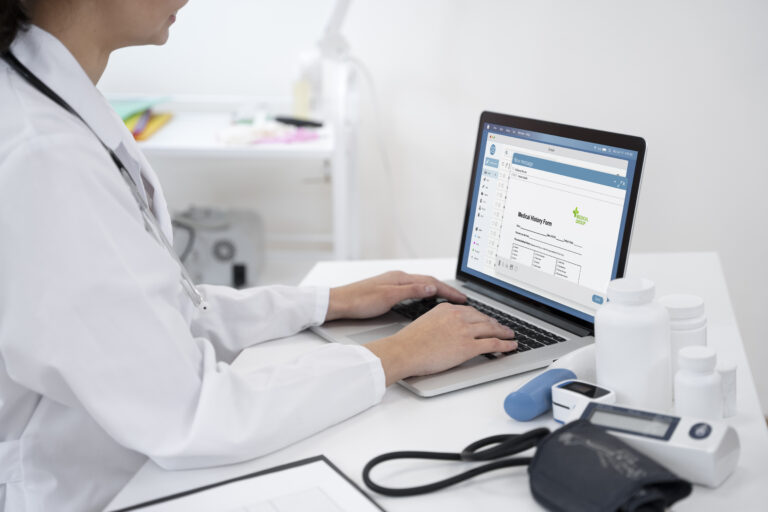
You’ll first answer a few questions about your sexual history, symptoms (if any), and risk factors. This helps the provider determine which tests are necessary.
Depending on the test, you may need to provide:
Most results come back within a few days. If any results are positive, the provider will guide you through the next steps, including treatment options, notifying partners, and retesting if needed.
You don’t have to spend a fortune to prioritize your sexual health. There are numerous affordable and even free resources available, including
Government-funded clinics and local health departments often offer free or low-cost STI testing, especially for youth, LGBTQ+ individuals, and low-income populations.
Planned Parenthood health centers provide confidential and affordable testing, and they can work with your insurance or offer sliding-scale fees.
Most universities offer STI screenings through student health centers, often at reduced costs or as part of student health plans.
Federally Qualified Health Centers (FQHCs) across the U.S. provide STI services on a sliding fee scale.
If privacy is a concern, at-home STI kits are available. You collect your own samples and mail them to a lab. While convenient, it’s important to choose a CLIA-certified and reputable provider.
Under the Affordable Care Act (ACA), many health insurance plans cover STI screening without additional costs, especially if deemed medically necessary.
The frequency of STI screening depends on your lifestyle and risk factors:
Risk Factor | Recommended Testing Frequency |
New or multiple partners | Every 3-6 months |
MSM (men who have sex with men) | At least once a year ; more if high-risk |
Sex workers | every 3-6 months |
Monogamous relationship | Once a year or if symptoms appear |
Pregnant women | First prenatal visit and again if high-risk |
1) “I don’t have symptoms, so I don’t need to be tested.”
2) “Only promiscuous people get STIs.”
3) “STI testing is painful or embarrassing.”
4) “If I get tested once, I’m good forever.”
1 . Is STI screening confidential?
Yes. Clinics and providers follow strict confidentiality laws. In the U.S., your results are private and protected under HIPAA regulations.
2. Can I get tested without my parents knowing (if I’m under 18)?
In many states and countries, minors have the right to seek confidential sexual health services, including STI testing, without parental consent. Check local laws to be sure.
3. How long do STI test results take?
It depends on the clinic and the type of test, but most results are available within 1 to 7 days.
4. Will an STI go away on its own?
Some bacterial STIs, like chlamydia or gonorrhea, may clear over time but can cause serious health issues if untreated. Viral infections (like herpes or HIV). do not go away and require lifelong management.
5. Can I get retested after treatment?
Yes. It’s recommended to get retested 3 months after treatment for infections like chlamydia and gonorrhea to ensure the infection is gone and wasn’t reacquired.
6. What should I do if I test positive?
Don’t panic. Most STIs are treatable or manageable. Follow your provider’s guidance for medication, partner notification, and follow-up care.
STI screening is a simple, responsible, and empowering act. It not only protects your health but also the health of those around you. With many affordable and confidential options available, there’s no reason to delay testing. Let’s normalise sexual health conversations and encourage everyone to get tested because being informed is always better than being unaware.